Opioid Use Disorder (OUD)
Am I a candidate for treatment,
- All inquiries require an initial Tele-Health Clinic consultation to determine if you suffer with opioid use disorder (OUD) and whether you can successfully be treated using our TELE-MEDICINE protocols. Successful treatment using TELE-MEDICINE supervised MAT Induction followed by MAT Maintenance OUD Management is successful in 80-90% of appropriately selected OUD sufferers.
- All candidates for OUD treatment are unique and, since no two individuals are alike, individuals must have an initial consultation via TELE-HEALTH because individuals
- who do not fully understand treatment,
- have unrealistic expectations, or
- suffer from multiple complicated and/or serious medical conditions and
- suffer with complex addictive disorders or severe chronic pain
May best be served by inpatient and/or in-person OUD treatment. The initial consultation can make appropriate recommendations to provide you and your family with useful guidance.
- Based on your current clinical and personal situation, our certified providers will make realistic recommendations regarding the initial protocol for opioid detoxification, MAT medication management, and the long-term maintenance period of therapeutic management.
- The first 1 to 2 months of treatment are via MAT tele-medicine interactions with our providers. DEA recommendations regarding TELE-HEALTH MAT requires in person office visits after 1-2 months of MAT therapy. The Pain & Addiction Integrated Network, Inc. is developing a nationwide network of certified medical providers who can see MAT treated individuals in your local community and/or, with your consent, we can contact your personal primary care provider on your behalf and/or we can arrange an in-person follow-up visit with the provider of your choice.
- After your in-person clinical visit, we can continue ordering prescriptions on your behalf as long as the monitoring of your treatment follows protocol.
OPIOID USE DISORDER (OUD),
- OUD is at epidemic levels in the United States due to misuse of doctor prescribed opioid drugs or illegal diversion of drugs like Fentanyl, Oxycodone (Oxycontin©), Hydromorphone(Dilaudid©), Morphine(MS Contin©), Hydrocodone(Vicodin©, Vicoprofen©, Lortab©) Heroin, Methadone,& Codeine.
- 100 million or 1 in 5 Americans suffer with chronic pain and in 2022 > 142 million prescriptions for opioid drugs or 43 opioid prescriptions per 100 Americans were written and, even though prescribing has decreased by 40 % from 2018, inexplicably in 2022 the overdose death rate rose by 40%
- Resulting in over 110,000 or 320 Americans dying every single day as a result of drug overdose.
- 72%-80% of drug overdose deaths involve opioid drugs and 20% of illicit opioid drugs involve Fentanyl which is 100 times more potent than Morphine.

DO I or A FAMILY MEMBER SUFFER FROM OPIOID USE DISORDER?
- Evidence based factual data has found that Outpatient Medication Assisted Treatment (MAT) maintenance therapy that follows specific protocols has an 80-90% SUCCESS rate.
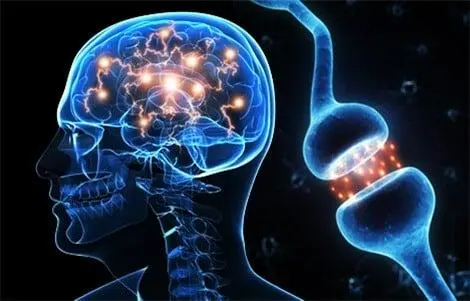
- Opioid drugs mimic ENDORPHINS and upon attachment to the BRAIN’s MU receptor, many genetically predisposed individual BRAINS are rapidly HIJACKED and, no amount of willpower can stop the DESPERATION & PSYCHOLOGIC imprisonment caused by the CONSTANT, 24/7 PSYCHOLOGIC CRAVINGS for OPIATES driven by untreated Opioid Use Disorder
- Drug Rehabilitation treatment costs are estimated to be over 42 billion dollars per year in the United States yet, the treatment success rate for Opioid Use Disorder is only 10-20% effective. However,
WHAT IS MEDICALLY ASSISTED THERAPY (MAT) and WHY IS IT CONSIDERED THE MOST EFFECTIVE THERAPEUTIC APPROACH TO THE TREATMENT OF OPIOID USE DISORDER?
- OUD is a COMPLEX disorder and treatment requires the establishment of TRUST & TRANSPARENCY between the provider and patient.
- The type of SPECIFIC OPIOID DRUG USED is VERY IMPORTANT because the potency, the half-life,and duration of use must all be assessed BEFORE instituting INDUCTION using MAT medications.
- MAT is different then traditional DRUG REHAB treatment because inpatient rehab programs often attempt “cold turkey” management and try to treat withdrawal symptoms with sedatives, anti-anxiety drugs, muscle relaxers, neuroleptic agents, anti-depressants, and anti-diarrhea medications.
- MAT is much easier to institute because the MAT medication immediately attaches to the MU receptor, helping the brain easily reject opioid drugs without severe withdrawal symptoms. Most individuals are feeling well within 48-72 hours and can continue working and functioning normally.
- It is important to understand that it took months to years to develop Opioid Use Disorder and, therefore reversal of OUD requires at least 6 to 12 months of treatment and sometimes multiple years on MAT. Opioid drugs change the brain physiology profoundly and it is unrealistic to expect that one can reverse the effects of opioid dependence in weeks to months because OUD CANNOT be controlled with willpower, it requires changing ones physiology and lifestyle and, that is a long-term proposition.
- MAT uses the same approach that we take when treating hypertension, diabetes, and heart disease. Treating high blood pressure with medications requires daily treatment long-term and, so does MAT.
- Traditional Drug Rehab Treatment has an 80-90% failure rate because the MU receptor requires long-term MAT therapy to normalize and to prevent opioid seeking behavior.
MAT THERAPY CONSIDERATIONS,
- OUD is a COMPLEX disorder and treatment requires the establishment of TRUST & TRANSPARENCY between the provider and patient.
- The type of SPECIFIC OPIOID DRUG USED is VERY IMPORTANT because the potency, the half-life,and duration of use must all be assessed BEFORE instituting INDUCTION using MAT medications.
- MAT is different then traditional DRUG REHAB treatment because inpatient rehab programs often attempt “cold turkey” management and try to treat withdrawal symptoms with sedatives, anti-anxiety drugs, muscle relaxers, neuroleptic agents, anti-depressants, and anti-diarrhea medications.
- MAT is much easier to institute because the MAT medication immediately attaches to the MU receptor, helping the brain easily reject opioid drugs without severe withdrawal symptoms. Most individuals are feeling well within 48-72 hours and can continue working and functioning normally.
- It is important to understand that it took months to years to develop Opioid Use Disorder and, therefore reversal of OUD requires at least 6 to 12 months of treatment and sometimes multiple years on MAT. Opioid drugs change the brain physiology profoundly and it is unrealistic to expect that one can reverse the effects of opioid dependence in weeks to months because OUD CANNOT be controlled with willpower, it requires changing ones physiology and lifestyle and, that is a long-term proposition.
- MAT uses the same approach that we take when treating hypertension, diabetes, and heart disease. Treating high blood pressure with medications requires daily treatment long-term and, so does MAT.
- Traditional Drug Rehab Treatment has an 80-90% failure rate because the MU receptor requires long-term MAT therapy to normalize and to prevent opioid seeking behavior.
MEDICATION ASSISTED THERAPY (MAT) prevents the suffering and uncontrolled suffering caused by OPIOID WITHDRAWAL?
- Generalized Bone & Joint Aches
- Chills, Sweats
- Diarrhea, Loose Stools
- Dilated Pupils
- Restlessness & Agitation
- Anxiety & Irritability
- Nausea and/or vomiting
- Intense Opioid Craving
- Elevated heart rate and blood pressure
- Insomnia, uncontrolled frequent yawning
- Runny nose, congestion
- Tremor
- Goosebumps

The P.A.I.N. Institute
Internet Information sites
Opioiddisorder.com
BupBrixadi.com
BupInjection.com
MU-Receptor.com
BupTherapy.com
ShamenDoctor.com
TheWhichDoctor.net
LowDosePsilocybin.com
Pain & Addition Integrated Network, Inc.
4733 Torrance Blvd.
#625 Torrance, CA 90503
310-798-1633
#625 Torrance, CA 90503
310-798-1633